
Archaeological Investigation into Havilland House site
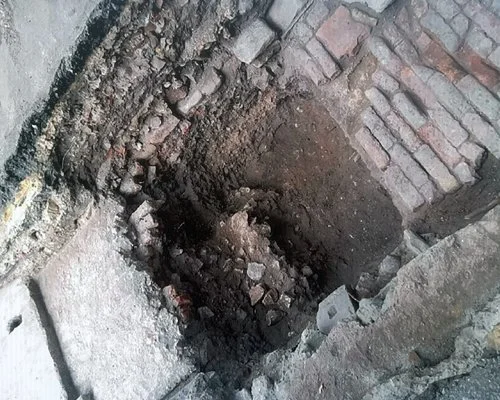
The main archaeological potential of the site is for remains associated with the later medieval Kennington Palace, the main buildings of which were uncovered outside the site to the south and west during an archaeological excavation in the 1960s.
The range of 14th-century manorial buildings recorded probably extended across the south-western corner of the present site (i.e., beneath the current Church Hall). Four trenches were excavated along the western edge of the current site, two of which, located in the area of the existing garages, revealed evidence of structures associated with the main range.
The other two trenches revealed no such remains, and it is likely that the majority of the site was within the Palace courtyard, with high potential for remains of yard surfaces, drains, wells and possibly small outbuildings, particularly in parts of the site where little or no development has previously taken place.
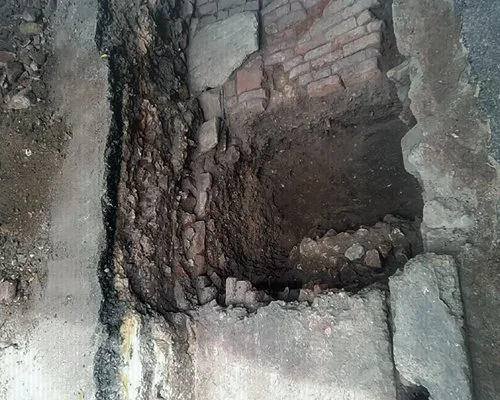
The site also has a high potential to contain archaeological remains dated to the post-medieval period; localised evidence of the late 18th century terraced houses and other buildings within the site may survive. The potential for remains of other periods is low.
Some Trial pits were excavated in 2024 to try to identify the location of likely remains and photographs of the excavations are shown on this page. Various yard surfaces from different periods are visible.
More information about the history of the site through the ages is available upon request from info@roccohomes.co.uk. If the archaeologists do identify finds of local interest, photographs of these will also be available from this address.